
Hidden Dangers: The Cancer-Causing Chemicals Lurking in Everyday Beauty Products
Beauty routines are often framed as acts of self-care, confidence-building, or simple daily ritual. But what if the very products we trust to care for our skin, hair, and appearance are putting our health at risk? A new study reveals that many women—particularly Black and Latina women—are regularly using personal-care products that contain formaldehyde, a known cancer-causing chemical.
The research, published in Environmental Science & Technology Letters, offers a sobering look at how common and widespread toxic ingredients are in beauty and hygiene products—and how these exposures intersect with long-standing beauty standards, systemic inequality, and lax regulations in the U.S. cosmetics industry.
Inside the Study: What Researchers Found
In 2021, researchers from Silent Spring Institute—a Massachusetts-based nonprofit focused on the environmental causes of breast cancer—enlisted 64 Black and Latina women in Los Angeles to participate in a week-long study. Their task? Photograph and log every personal-care product they used at home. That included soap, shampoo, conditioner, lotion, skin lighteners, deodorants, makeup, and hair styling products.
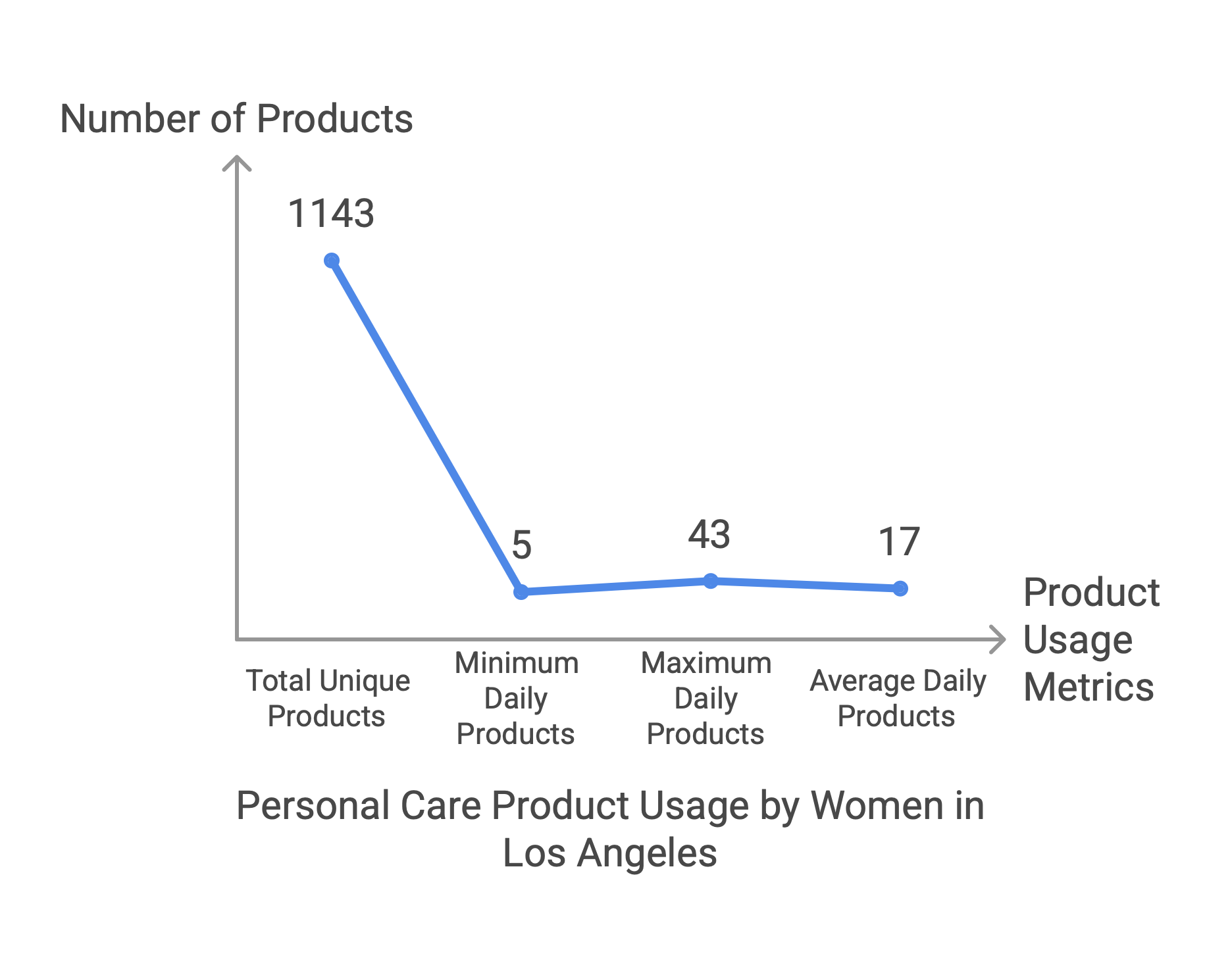
The result was staggering: 1,143 unique products used in just seven days, with participants using between 5 and 43 products daily—an average of 17 different products per person per day.
But it wasn’t just the number of products that raised red flags.
Researchers found that 53% of the women used products that contained formaldehyde or formaldehyde-releasing preservatives. These substances aren’t always listed under the word “formaldehyde.” Instead, they’re often buried under names like DMDM hydantoin, quaternium-15, or imidazolidinyl urea—chemicals that gradually release formaldehyde to extend shelf life.
“Formaldehyde is a great preservative. That’s why it’s used in embalming fluid,” said Dr. Robin Dodson, lead author of the study. “But we have to remember formaldehyde is a carcinogen.”
Why Is Formaldehyde Dangerous?
Formaldehyde is a colorless, strong-smelling gas that's been linked to nasopharyngeal cancer, leukemia, and other serious health issues. It's classified as a human carcinogen by the U.S. National Toxicology Program and the International Agency for Research on Cancer.
Even at lower exposure levels, formaldehyde can trigger allergic reactions, skin rashes, respiratory problems, and eye irritation. And when it’s being applied directly to your skin—sometimes multiple times a day, across multiple products—those risks add up.
One study participant was using three different formaldehyde-containing products every day: a leave-in conditioner, a rinse-out conditioner, and a body wash. Another reported washing with formaldehyde-laced hand soap twice a day, every day.
Who Is Most at Risk?
This study intentionally focused on Black and Latina women, who, according to prior research, are more frequently exposed to harmful ingredients in personal-care products than white women.
Chemical hair straighteners, often marketed specifically to Black women, have repeatedly come under fire for containing formaldehyde or formaldehyde-releasing agents. These products have been linked to disproportionately higher rates of breast, uterine, and ovarian cancers among Black women. Other items like skin lighteners and acrylic nails also tend to contain toxic ingredients more commonly used in communities of color.
“Beauty norms that focus on white presentation definitely are resulting in people using products that can be harmful to their health,” said Dr. Tracey Woodruff, director of the UCSF Program on Reproductive Health and the Environment.
The pressure to conform to Eurocentric beauty standards—whether it’s straightening hair, lightening skin, or using more makeup—often means increased exposure to chemicals that should have no place in personal-care products.
“We shouldn’t have to be chemists to figure out what kinds of products will make us sick,” added Janette Robinson Flint, executive director of Black Women for Wellness and co-author of the study.
Where’s the Regulation?
Despite formaldehyde being classified as a known carcinogen over a decade ago, the U.S. Food and Drug Administration (FDA) has yet to ban it in cosmetics. In 2023, the agency signaled it might finally propose a ban on formaldehyde in hair straighteners, but two years later, no action has been taken.
In contrast, the European Union banned formaldehyde in cosmetics back in 2009. Any product containing even trace amounts of formaldehyde-releasing ingredients must include a warning label. Meanwhile, a few U.S. states—including California and Washington—have proposed or enacted their own laws to regulate the chemical, but national oversight is still lacking.
It's Not Just Hair Products
The biggest takeaway from this study? The danger isn’t confined to niche products like relaxers. Formaldehyde is hiding in everyday essentials, from body wash to lotions, hand soap, and facial cleansers—products we often apply multiple times a day, every single day.
And it's not just about the one product with the questionable ingredient. The cumulative effect of repeated exposure from multiple sources is where the risk becomes even more pronounced.
What Can You Do?
Until legislation catches up, here are some practical steps to protect yourself and your loved ones:
1. Read Labels Carefully
Look out for formaldehyde and its releasing agents. Common culprits include:
DMDM hydantoin
Imidazolidinyl urea
Diazolidinyl urea
Quaternium-15
Bronopol
2. Reduce Product Count
Simplify your routine. The fewer products you use, the lower your cumulative exposure to potentially harmful ingredients.
3. Choose Transparent Brands
Look for brands that are committed to clean beauty and disclose all their ingredients clearly. Third-party certifications like EWG Verified or Made Safe can help.
4. Advocate for Safer Regulations
Contact your state representatives and urge them to support stronger cosmetic safety laws. Follow advocacy groups like Black Women for Wellness and the Environmental Working Group (EWG) for action alerts.
Why This Matters
This isn’t just about one study or one chemical. It’s about the broader systems that allow toxic products to be marketed—often aggressively—to women of color. It’s about the intersection of health, beauty, race, and regulation, and how those forces shape the everyday choices women make.
At the end of the day, no one should have to choose between beauty and health. And no one should be unknowingly putting their long-term well-being at risk just by taking a shower, styling their hair, or applying moisturizer.
Let’s push for a future where beauty products are truly safe for everyone—regardless of race, income, or background. Because caring for yourself should never come with a hidden cost.
References
Cohen, R. (2025, May 8). Cancer-causing chemicals are in many beauty products women use, a study finds. NPR. https://www.npr.org/sections/shots-health-news/2025/05/08/nx-s1-5389925/beauty-products-chemicals-formaldehyde-cancer?utm_source=facebook.com&utm_medium=social&utm_term=nprnews&utm_campaign=npr