

JOURNAL

LGBT Youth Homelessness Epidemic
In the past decade, the US has seen significant progress in LGBTQ rights. The most high-profile issue, that of same-sex marriage, has also seen the greatest gains: 35 states allow same-sex marriage outright, the remaining 15 states are awaiting action in the courts on the issue, and the federal government recognizes same-sex marriages as legal.[i] In an era where DOMA and DADT have been struck down, it would be easy to think that most of the work to be done on LGBTQ rights has been accomplished. However, the unfortunate truth is that these victories, while a great step forward, only affect gay and lesbian adults. For others in the community, and especially for queer youth, there are plenty more hardships to face, and far less national attention to support them.
In particular, homelessness is a huge problem for LGBTQ youth. It is perhaps unsurprising that young people in the queer community are most vulnerable to this problem. Sadly, despite making up a small percentage of the US population, a 2012 study found that as much as 40% of homeless youth are LGBTQ.[ii] In a cruel twist of irony, the prominence of gay rights issues might even be contributing to the disproportionate number of gay youth on the streets; encouraged by seeing adults like them fighting for their civil rights, LGBTQ children are coming out far earlier than before, often well before gaining independence from their families.[iii] Since they often have little to no contact with the LGBTQ community, they have no support network to fall back on if their families should reject them, as families unfortunately often do. Consequently, the homeless population of this group is growing at a disturbing rate, and in 2012 94% of agencies reported working with LGBTQ youth, compared to 82% ten years earlier.[iv]

Diet and nutrition: Our instinctual tendencies to consume more calories than needed
It’s hard to look anywhere without finding some dismal statistic about the weight problems prevalent in our society. The 2011-2012 CDC statistics for the rate of obesity in Americans found that 35% of adults were obese; the 2009-2010 statistics found that 18% of children above 6 were obese, too.[i] It’s considered such a problem that First Lady Michelle Obama has developed a campaign to address the prevalence of childhood obesity. We are bombarded with information like this and told that we must, simply must, change for the sake of our health, yet still there’s only been modest improvement in the numbers. A 2007 study in Australia found that although people trying to change their diet usually undertook that change, only 26% of those people were sticking to it rigidly six months in.[ii] Even when faced with the life-or-death decision to change one’s diet following a heart attack or stroke, in a 2013 study only 39% of patients reported eating healthier food after such a life-shattering event.[iii] Why is it so hard to maintain healthy eating habits, even in the face of so much societal pressure and personal incentive to do so?
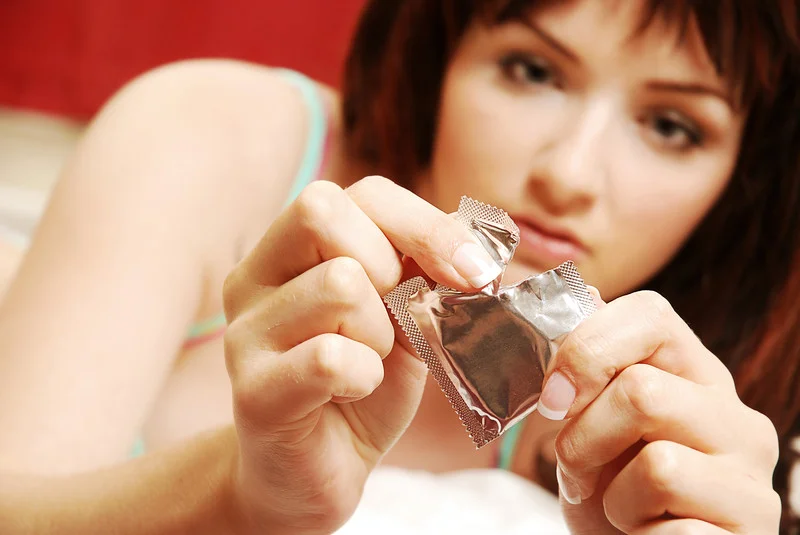
A tampon that prevents HIV
Scientists have been searching for a way to help women prevent contracting HIV during heterosexual sex for some time now. Eighty-four percent of women contract HIV in this way and at present the only preventative options are condoms (both male and female versions). This might seem simple and accessible enough to a number of women living in the United States, but the reality is that for many women around the world guaranteeing that their male partners will use a condom certainly can prove to be difficult, if not impossible. Half of the people in the world living with HIV are women and women are twice as likely as men to contract HIV. This is one of the reasons that scientists at the University of Washington in Seattle are interested in creating a new form of protection in which women can take their sexual health back into their own hands regardless of their situation.
As mentioned before, this idea is nothing new. Pre-Exposure Prophylaxis (or PreP) is a prevention method that can be used by people who have a high risk of contracting HIV. This might include people with HIV positive partners, intravenous drug users, or people who regularly have unprotected sex with partners with unknown HIV statuses. The anti-HIV drugs are given in the form of a pill that must be taken every day. Scientists have also been working on topical creams and gels that contain the anti-HIV drugs microbicides for years. While the intention is good with these products, they still lack usability and convenience. They can leak out, be quite messy, and the anti-HIV drugs take about 20 minutes to absorb into a woman’s system, so she would have to know she was going to have sex beforehand and have already applied the gel or cream in order to be properly protected. Microbicides are a promising way to help women prevent HIV, but the engineers at the University of Washington agree that the delivery method of these drugs need serious improvement.
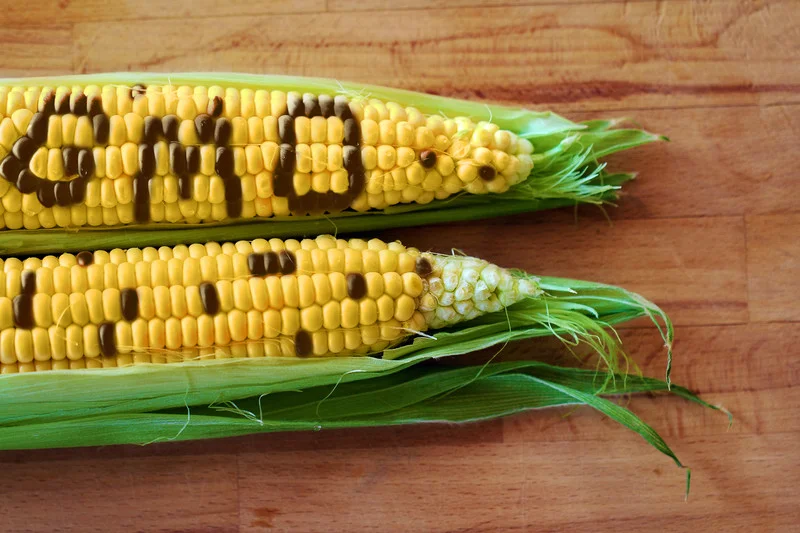
Frankenfoods: Monstrous or Misunderstood? A Look at the Understated Benefits of Genetically Modified Crops
What are GMOs?
GMOs, or genetically modified organisms, are created when a gene from one species is transferred to another, thus creating something that would not occur naturally. It means that a geneticist can isolate a gene for a specific attribute, such as resistance to drought, and implant it into a different species. The newly created plant will then develop drought resistance too. So called ‘frankenfoods’ (a rather clever play on Frankenstein’s monster) are spliced for a number of reasons: taste, texture, durability, nutrition, and many more. The genes don’t just come from other plants either, but have been sourced from bacterium and animals too – in fact, just about any organism that has a gene that may be helpful.
There has been a lot of debate around the issue of GMOs lately, especially as groups continue to lobby for legislation forcing food companies to label foods specifically as GMO. It’s easy to think that this is a topic that doesn’t affect you but actually, around 70% of all the food lining our grocery store shelves are genetically modified, and the US accounts for 63% of all GM crops worldwide[1]. So it seems that unless you eat entirely organic, the chances are that you are eating genetically modified foods – and far from being someone else’s problem, it’s actually an issue that affects us all.

The hidden cost of negative body image
Dissatisfaction with one’s appearance is a familiar feeling to many of us. In a society with idealized bodies plastered all over the media we consume, from magazines to movies and everywhere in between, drawing unfavorable comparisons of oneself to the results of Photoshop might even be inevitable. People do not fret over their looks for no reason, either: perceived attractiveness is, for example, likely to be tied to employment rate and wages earned.[i] Teenagers, too, feel the pressure of trying to measure up to modern times’ Aphrodite and Adonis – perhaps even more keenly than adults, at times. Research shows time and again that young people worry quite a lot over their looks, and sometimes those worries can put them on the path to self-destruction. And since such low self-perception and the disorders associated with it tend to be rooted in adolescence, if they do not outright begin then, it is important to be aware of how these problems crop up in young people if we hope to combat them in the population at large.

Obesity and the Importance of Beautiful Staircases
Everyone knows the importance of taking the stairs rather than the elevator, although not everyone does. There are lots of things that can impact our decision to take the stairs – our fitness levels, how high in the building we may need to go, whether we’re injured or disabled, or even simply our energy levels on any given day. But does the aesthetic appeal of a staircase ever come into question? David Burney think so.
A Celebration of Stairs
Burney, a New York City Commissioner of the Department of Design and Construction says that we should make the most of the staircases in every building, and by making them aesthetically pleasing, we can encourage more people to climb them[1]. He, perhaps rightly, points out that in trying to make life easier, architects and building planners have also made life sedentary and this, in turn, has made us lose our love of the grand staircases that are so often a focal point in old buildings. In their place, we see elevator shafts, perhaps with a small sign indicating the way to a drab staircase that is there for necessity alone.
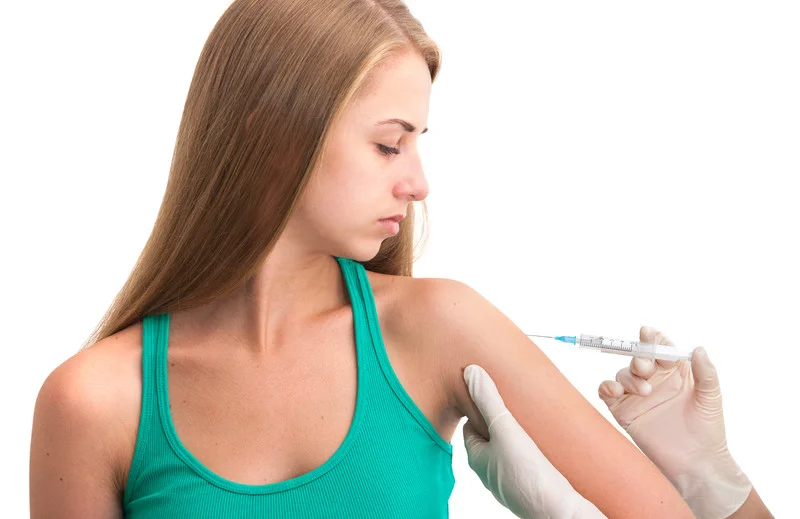
HPV Vaccine: Prejudice and Misconceptions
Cancer is a nearly universal health concern in our lives; it would be difficult to find anyone whose life has not been touched by the disease, in all its various and horrifying forms. This year alone, the American Cancer Society reports that 1.6 million people in the U.S. will develop cancer, and nearly 600,000 will die from it.[i] HPV, or the human papillomavirus, causes an estimated 19,000 of those cases in women, and just under half that in men.[ii] HPV is a common disease transmitted through sexual contact, which is usually known for causing genital warts and, once contracted, is incurable.[iii] HPV is best-known for causing cervical cancer, but it is also associated with cancer in the head, neck, anus, and genitals of both sexes. But though it cannot be cured once contracted, the variant of the disease which leads to cancer can very easily and effectively be prevented by readily available vaccines.

Composting Chaos: Sorting Through The Myths And Misconceptions
Composting: It seems like a simple enough concept. Throw kitchen scraps and yard waste into a pile, wait for it to decompose, and eventually harvest a rich, organic fertilizer to feed your garden. But as with just about anything from billiards to bagpipes, once you scratch the surface on the subject of composting you discover a whole complex world of conflicting opinions and advice on the right way to go about doing things. Some of the materials available in books or online almost make the act of composting seem like a full-time venture.
The truth is, anyone can compost, and it doesn't have to be a complicated affair. In an attempt to simplify things for the beginner composter, here I'll explore some of the questions I've stumbled upon in my own composting journey.
Contain Yourself
One of the first things an aspiring composter needs to consider is where to keep the heap and how to contain it. There are dozens of fancy compost bins and tumblers on the market, which can easily trick impressionable gardeners like myself into believing successful composting demands a serious cash investment. Luckily, this isn't the case. Buying expensive composting accessories is fine if you have the means, but constructing a functional compost container need not be expensive or time-consuming. Many gardeners have tremendous success with simple designs of scrap wood and chicken wire or other inexpensive materials. For those concerned about critters, more secure compost containers can be made by simply punching holes in a trashcan or plastic bin.
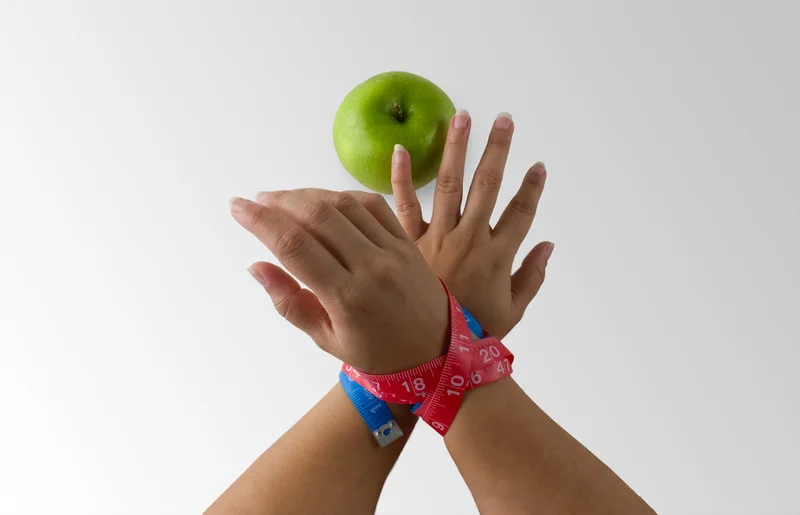
Unemployment and Obesity: the Vicious Cycle
Two of the biggest problems facing America today are unemployment and obesity – two seemingly unrelated but equally serious issues. After some of the most difficult economic times since the 1930s, America’s unemployment levels peaked at almost 10% in 2009, leveling out to around 6.3% today[1]. Obesity, likewise, has more than doubled for both adults and children in the US since the 1970s, with around 69% of adults being overweight or obese, and 35% being obese[2]. More and more studies, however, are investigating the link between unemployment and obesity and as results start to flood in, it seems that they are not as unrelated as they seemed.
Statistics
Studies are starting to show that there is a significant link between unemployment and obesity, especially amongst unskilled workers who are struggling to find work. In fact, a Gallup study suggests that if you are between 18 and 44 and unemployed, you are 30% more likely to be obese than your counterparts in full-time employment[3]. High-skilled workers, who may have had sedentary jobs that led them to develop their own fitness plan are more likely to continue exercising and may have savings to help them to eat healthy after losing employment. Low-skilled workers, alternatively, tend to work physical jobs and use that to burn calories. When the job is lost, their only form of exercise goes with it, and it can be difficult to get out of a cycle of watching TV and eating junk food[4]. Of course, these are sweeping generalisations but the statistics are hard to ignore.

Overcoming the diet roller-coaster
If you have ever tried to adhere to a new diet or start an exercise program, you have probably experienced the frustration involved in trying to overhaul anything in life you have become accustomed to. It’s been said that humans are creatures of habit, and it’s quite true. Things that seem like they should be simple or easy to incorporate into our schedules somehow become arduous when we attempt to do them regularly instead of on occasion. No matter how much conscious effort we put into changing ourselves, it often seems to have no effect. So it might not come as much of a surprise that often, very little of the conscious mind is involved in how we structure our daily lives.