

JOURNAL

Are fruit-flavored sparkling waters bad for you? Via Kaiser Permanente
People can’t seem to get enough of sparkling water these days. In fact, it exploded into a $29 billion global industry in 2020.1 With no calories or sweeteners, bubbly drinks like LaCroix, Bubly, and Hint may seem like healthy no-brainers.2 But are these sparkling waters actually good for you?

Surprising ways you may be getting sun-damaged skin via Kaiser Permanente
Make coffee. Eat breakfast. Brush your teeth. Take a shower.
This typical morning routine is missing an important step: Put on sunscreen.
Why should you wear it every day? Because sun-damaged skin may be sneaking up on you.
You know you and your family should wear sunscreen before spending a long afternoon outdoors, but sun damage is cumulative — short periods of unprotected sun exposure add up over time, eventually leading to visible damage to your skin and a higher risk of skin cancer.
A Message from Okologie's CEO on Anti-Asian Racism
Okologie is steadfast in its commitment against racism and discrimination in all its forms, and we will continue to firmly speak out and strongly condemn intolerance, discrimination, and violence. We stand firmly against all racially and ethnically motivated acts of intimidation and violence. Sadly, over the past year, we have witnessed an increase in hate speech and violence. This includes attacks against members of the Asian community largely fueled by COVID-19 pandemic rhetoric and xenophobia.

Contributing factors for low COVID-19 vaccination rates in vulnerable populations
As we celebrate the one-year milestone of the COVID-19 crisis, a gift to all of us has been developing and implementing the COVID-19 vaccine from manufacturers Pfizer, Moderna, and Johnson and Johnson. While a segment of Americans throughout the country are scheduling appointments and rolling up their sleeves, vaccine hesitancy prevents a portion of the population from receiving their vaccines.
The American Journal of Preventive medicine defines vaccines hesitancy as concerns about the decision to vaccinate oneself or one's children due to a broad range of contributing factors such as their compulsory nature, their coincidental temporal relationship to adverse health outcomes, and a lack of trust in the corporation and public health (Daniel Salmon, 2015). Vaccine hesitancy was a concern for public health experts even before the COVID-19 pandemic, as it primarily impacted the influenza vaccination rates in elderly and minority populations. A report from the AARP Public Policy Institute shared that nearly half of adults aged 50 and older are vaccine-hesitant. Another 11 percent of this population never get vaccines, and that the relationship with previous vaccination behaviors is an indicator of what people can expect with the COVID-19 pandemic. The CDC's 2019 Behavioral Risk Factor Surveillance System showed that 53 percent of adults ages 50 and older received a flu shot in the previous year. Still, there were notable differences in the population. For example, Black (47 percent) and Hispanic (43 percent) older adults receive flu vaccines at rates below their White (55 percent) counterparts (McSpadden, 2021).

Helpful links to potential income sources and benefits available to people during this difficult time
Next month, Californians will reach the one-year mark since the initial COVID-19 pandemic lockdown. As we all endure the remaining weeks and months ahead to stop the spread and reduce deaths until we are all vaccinated, many individuals continue to suffer both emotionally and economically. For many individuals, financial stress may be new, and the pandemic's length has made even financially stable families insecure due to the complexities involved with a quarantined society. If you are unsure if you qualify for benefits, there is a brief questionnaire to consider your available options. Additionally, we have provided an updated list of resources available to help people during this difficult time.
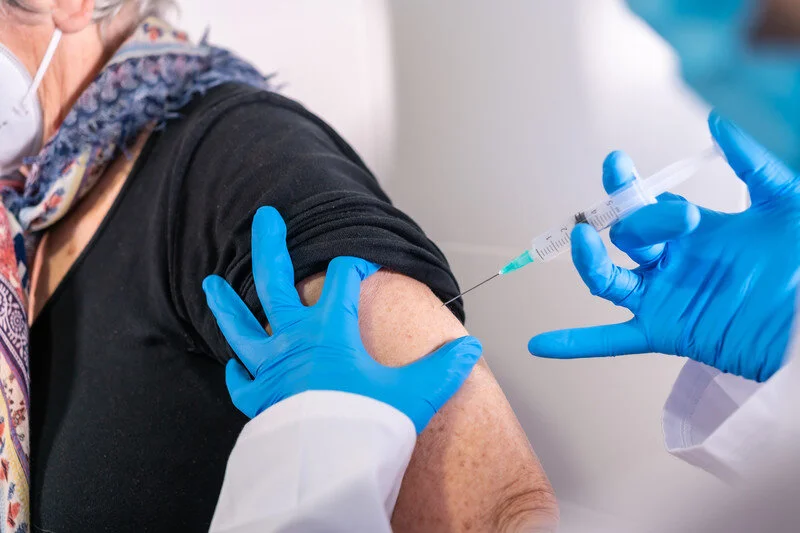
A Helpful Guideline for the Covid-19 Vaccine Distribution Process
In December, the Advisory Committee on Immunization Practices for the Centers for Disease Control provided a vaccination implementation strategy that will roll out in phases or TIERs throughout the nation. The CDC recommends that in phase one, distribution is prioritized for healthcare personnel, long-term care facility residents, individuals with an underlying medical condition, including autoimmune conditions, and 70 or older individuals. These recommendations will proactively decrease the number of COVID-19 related deaths, preserve society's functioning, and reduce the extra burden COVID-19 is having on individuals already facing disparities. However, these are recommendations only and each state has its vaccination implementation strategy (Centers for Disease Control and Prevention, 2020).

Helpful Tips for Managing Stress while Working from Home
The COVID-19 pandemic shifted 88% of organizations worldwide to mandate remote work in 2020. As many individuals are beginning to turn their attention toward 2021, employees who went abruptly from working full-time in an office setting are beginning to wonder what will happen in 2021 (Marinova, 2020)? Nearly two-thirds of U.S. workers working remotely during the pandemic would like to continue full-time after the pandemic or adjust to a hybrid schedule integrating working in the office and at home (Brenan, n.d.).
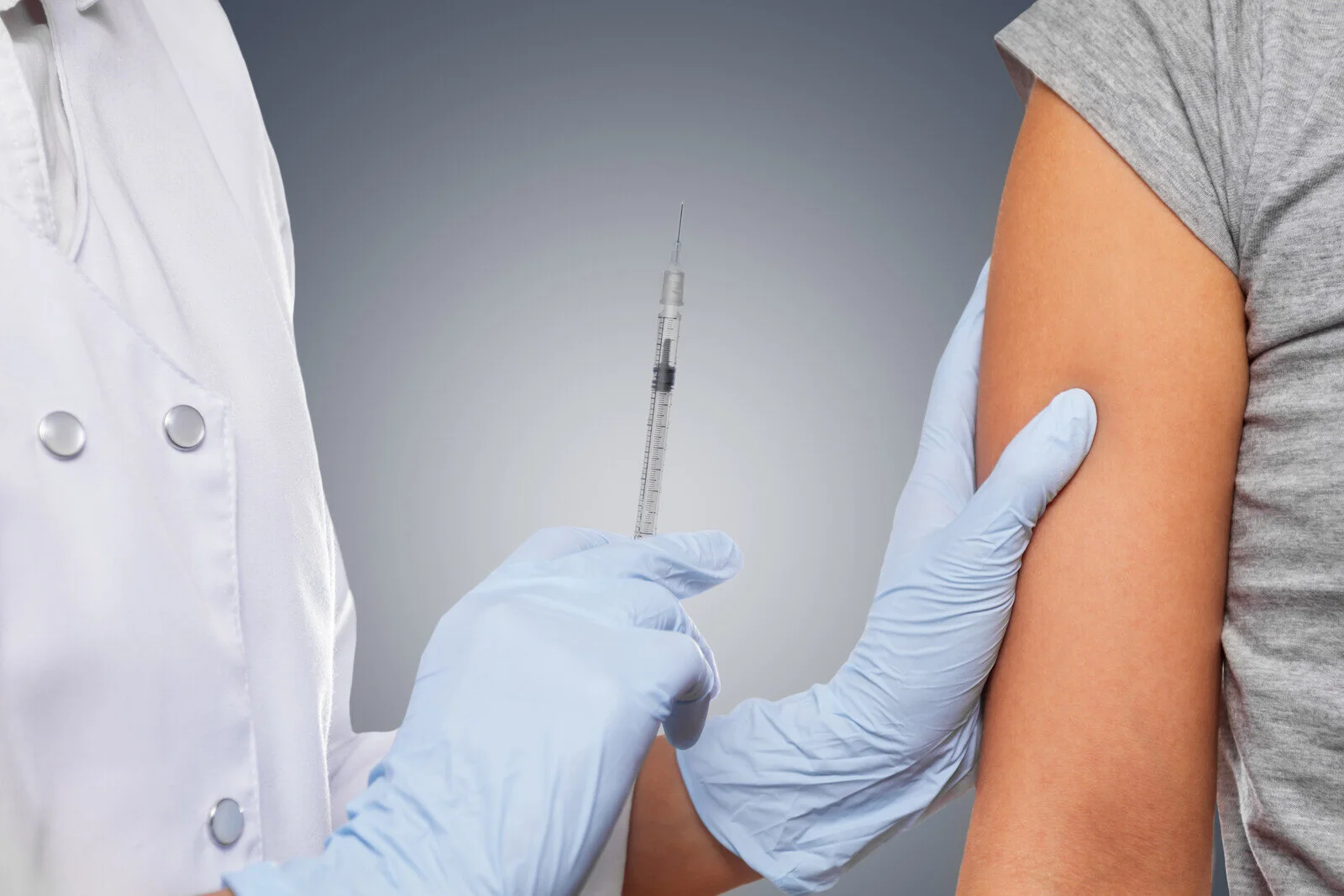
Debunking Myths around What to Expect after getting a COVID-19 Vaccine
As Americans began receiving the Pfizer vaccine this week and the Moderna vaccine is under consideration for emergency use authorization by the U.S. Food and Drug Administration, the unprecedented speed of vaccine development has created many misconceptions and fears among American citizens worldwide. As side effects and myths are being shared, there is a lack of clarity on the truth behind the COVID-19 vaccine development, and it is challenging to separate fact from fiction. The American Association of Retired Persons recently released a detailed article highlighting the five most common myths about the vaccine and the COVID-19 vaccine development truth.
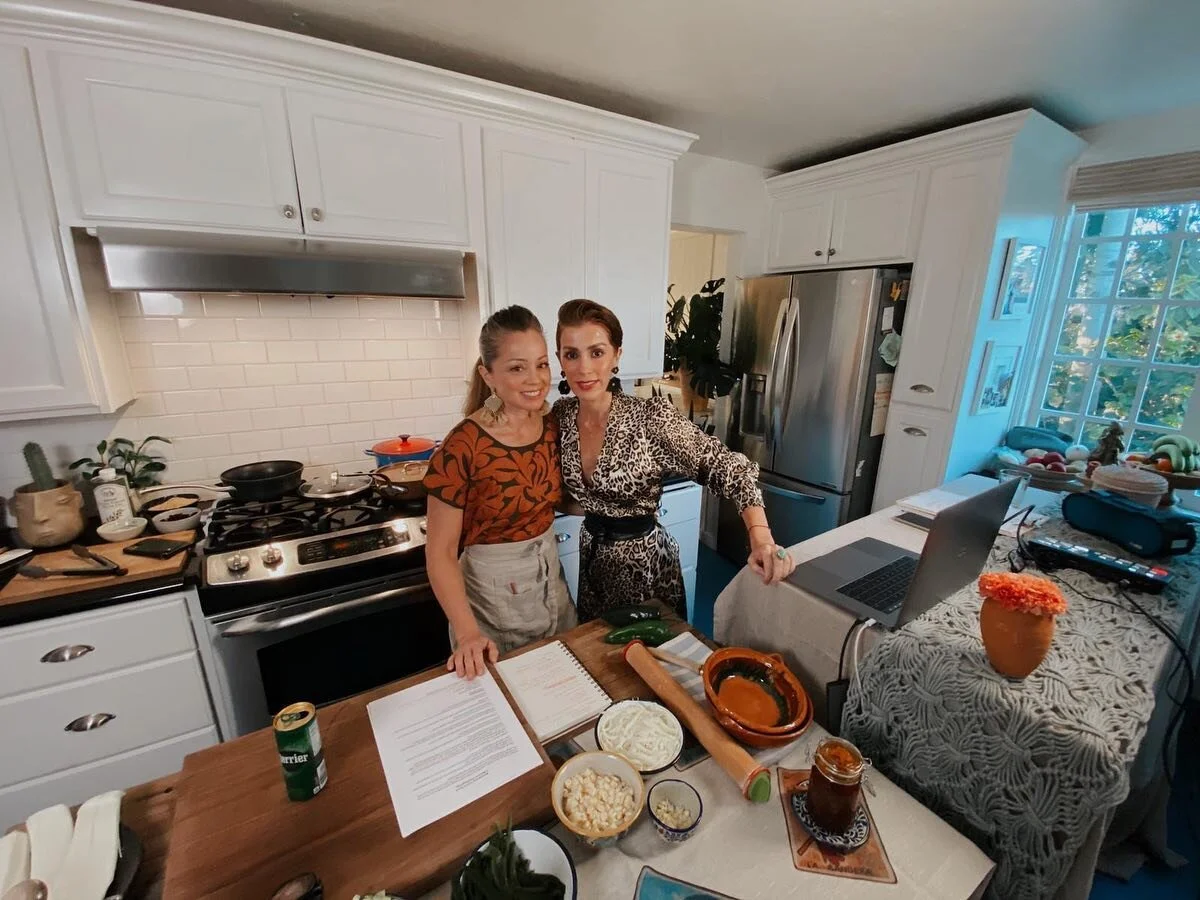
Chef Marcela brings the community together by sharing her recipes, food, music, singing, and family!
If you're looking to try a new recipe or lift your spirits, cook with Chef Marcela! Chef Marcela is hosting her second @zoom cooking class in December, where she shares recipes, music, and family traditions. Follow her on Facebook and Instagram for more details. Don't miss it. Here's what she had to say about her first online fiesta!

What will the workplace culture look like after the Covid-19 pandemic?
At the onset of the pandemic, the U.S. Occupational Safety and Health Administration (OSHA) recommended that employers allow flexible working when appropriate or possible. Eight months later, in November of 2020, many employees are still working remotely full-time or in a hybrid model that splits a percentage of time working remotely and spending a few days at an office location. As many offices begin to close the calendar year and turn toward the future, employees, finance professionals, human resources directors, and CEOs are all questioning what the future of work will look like after the COVID-19 pandemic.