

JOURNAL

Understanding the Connection: Nutritional Deficiencies and The Risk of Chronic Diseases
As we celebrate the new year and the development of resolutions such as healthier diets, weight loss, and increased exercise, it is essential to ensure we consume nutrient-based foods to avoid chronic diseases. While a segment of the population is consuming a healthy diet, there are many experiencing nutritional deficiencies, which can lead to morbidity and mortality.
Examining the Impact of Nutritional Deficiencies on Chronic Disease Risk
Nutritional deficiencies can significantly impact the risk of chronic diseases. The body's lack of essential nutrients can weaken its immune system, making it more susceptible to diseases. For instance, deficiencies in vitamins A, C, D, and E and zinc and selenium minerals can compromise immune function and increase the risk of infections and diseases.
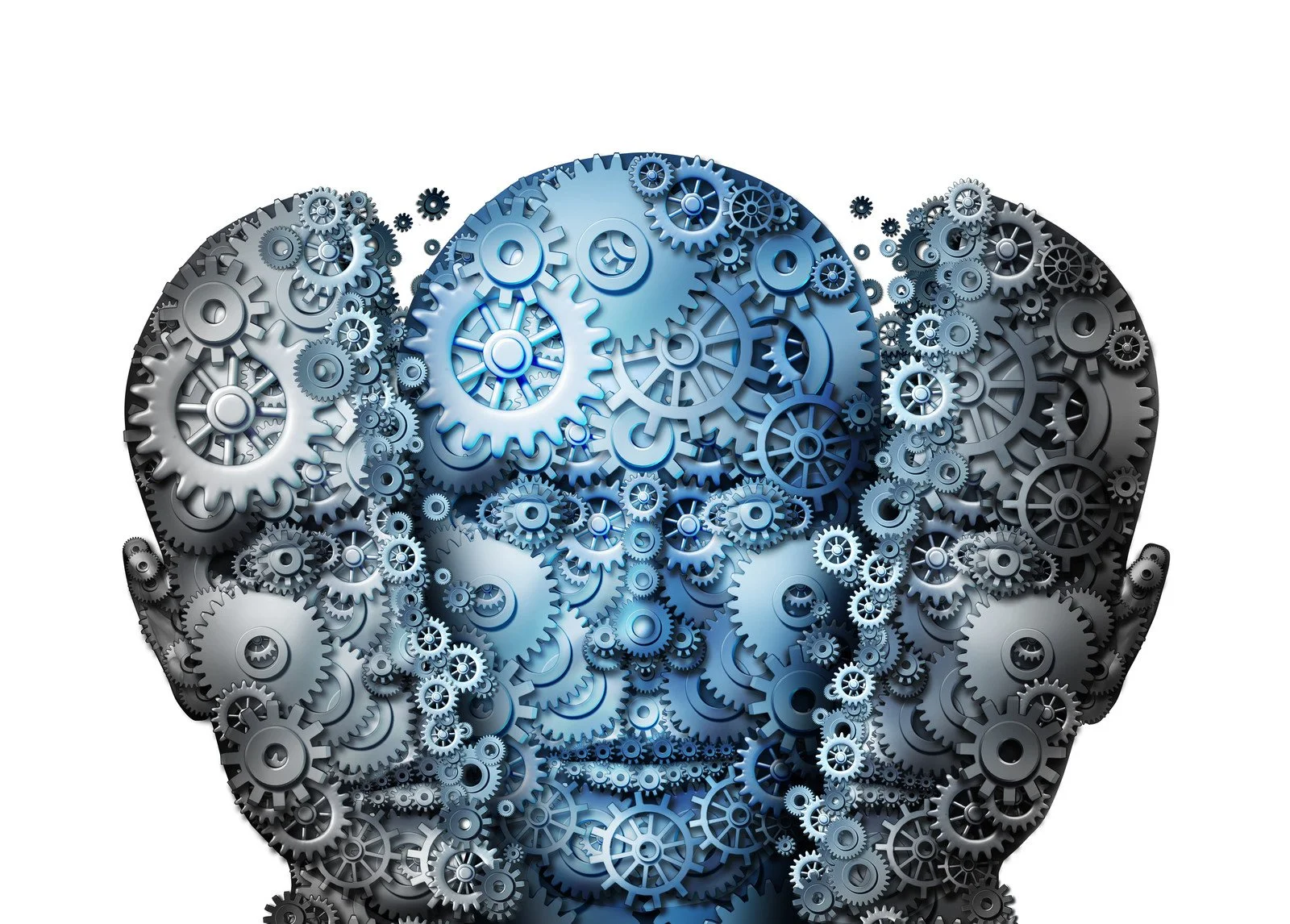
Artificial Intelligence in Public Health: A Game Changer?
As a public health researcher, I am interested in learning how artificial intelligence (AI) can revolutionize public health by offering new methods for disease detection, patient care, and epidemiological studies. One of the most significant benefits of AI in public health is its ability to process and analyze large amounts of data quickly and accurately. This can help identify disease patterns and trends, enabling early detection and prevention of diseases. AI can also enhance patient care by providing personalized treatment plans based on individual health data. It can analyze a patient's medical history, lifestyle, and genetic information to predict potential health risks and suggest preventative measures. This personalized approach can improve the effectiveness of treatments and reduce healthcare costs.
AI-powered predictive models can also be crucial in managing public health crises like pandemics. These models can predict the spread of diseases, helping authorities make informed decisions about resource allocation and preventive measures. AI can also aid in developing strategies for vaccination distribution, ensuring that vaccines reach the most vulnerable populations.
Furthermore, AI can improve health equity by identifying and addressing health disparities. By analyzing social, economic, and environmental factors, AI can help public health officials understand the root causes of health disparities and develop strategies to address them. This can lead to more equitable health outcomes.

7 Tips to Help Cope with Holiday Stress via Kaiser Permanente
As a public health educator, protecting your mental health is essential to healthy living and well-being. Family holiday parties can be stressful, whether it’s another political argument with your uncle or the absence of a loved one who passed. To help you tackle some of these challenging situations, Leigh Miller, LCSW, a therapist and social worker at Kaiser Permanente, shares tips on how to cope.
How to cope with stressful family situations
Managing stressful situations can seem overwhelming, but it doesn’t have to be. Here’s how to prepare for seven complex — but familiar — family stressors during the holidays.
Political disagreements
Political discussions can lead to significant family disagreements or arguments in some families.
How to prepare: Make the topic off-limits, if possible. Miller suggests reaching out to your family before your holiday gathering. Let them know that rather than talk about politics, you’d prefer to focus on what’s going on in their lives.
Day-of tactics: If politics arise, gently remind your family that you’d prefer not to discuss the topic. You can also excuse yourself from the conversation and take a short break. Go for a 15-minute walk or chat with another family member.

The Benefits to Napping via Kaiser Permanente
Sleep is essential for our overall health. It gives our mind and body time to relax and recharge. Studies show that sleeping 7 to 8 hours of regular nighttime is best for maintaining good health.1 But what happens when you don’t get a good night’s sleep and find yourself tired during the day?
Enter the nap. Naps may have health benefits, like reducing stress and improving memory. One study showed that daytime napping following the COVID-19 pandemic helped relieve stress and stabilize sleep patterns.2 Why not see if some afternoon shut-eye would be right for you?
Dennis Hwang, MD, medical director at Kaiser Permanente’s Sleep Center in San Bernardino County, California, shares tips on when to try napping or other relaxation techniques.

Long Term Covid-19 - What are the symptoms and when to get help by Kaiser Permanente
If you’ve had new or lasting symptoms since recovering from COVID-19, you may have long-term COVID-19, or "long COVID." It can include a range of symptoms that continue after your COVID-19 illness ends.
A Centers for Disease Control and Prevention (CDC) survey found that more than 15% of people in the U.S. have had long-term COVID-19. And those with a disability — such as asthma, chronic kidney disease, chronic obstructive pulmonary disease, or diabetes1 — were twice as likely to report having had long COVID than those without.2

The Connective Tissue Beneath Our Skin: An Overlooked Key to Health and Wellness
As a Doctor of Public Health, I'm always interested in learning about new evidence on how our lifestyle choices impact our health and wellbeing. A fascinating recent New York Times article highlighted emerging research on the role of fascia - the connective tissue that wraps around our muscles, organs, and bones - and how caring for this often-overlooked part of the body may offer surprising benefits. What exactly is fascia? It's the thin, tough, flexible collagen-rich tissue that forms a 3D matrix under our skin, enveloping muscles and internal structures while also attaching to bones. We have two main types: denser fascia that gives the body structural shape, and looser fascia that allows tissues to glide smoothly. Doctors long thought fascia was relatively unimportant - just packaging. But we now understand it plays a vital role in flexibility, mobility, and more.

The Maternal Care Crisis in America - Stories of Mistreatment during Pregnancy and Childbirth
As a Doctor of Public Health, I am troubled by the findings of a recent CDC survey on mistreatment during maternity care in the United States. The survey of 2,400 women exposes shortcomings in our country's maternal healthcare system.
The results show that 1 in 5 mothers reported being mistreated by healthcare providers during pregnancy and childbirth. This mistreatment included having health concerns dismissed or ignored, being shouted at or scolded, and having physical privacy violated. Disturbingly, women of color reported even higher rates of discrimination based on race, ethnicity, income level, and insurance status (Ars Technica, 2023).
A Public Health Perspective on the New Seasonal Vaccines
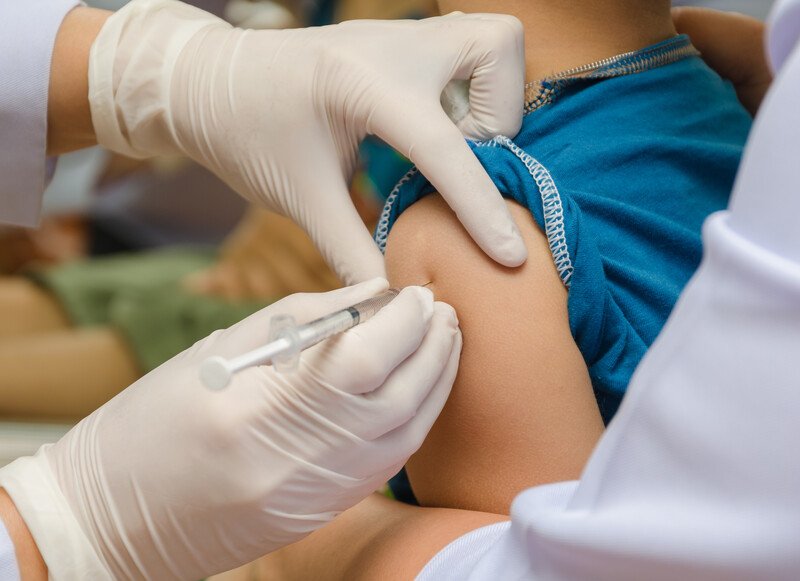
According to the Washington Post, the 2023 flu season is shaping up to be a complicated one from a public health perspective. Several new vaccines are coming onto the market that could help curb influenza, COVID-19, and respiratory syncytial virus (RSV). However, effective deployment of these vaccines will require clear public health messaging and coordination between providers, insurance companies, and governmental agencies.

A Public Health Perspective on Aging Well
As a Doctor of Public Health, I read an interesting article on strategies for healthy aging titled, “90 Might Be the New 40 - No tricks, no hacks—just tried-and-true advice you can begin using in your life today.”
The author offers some sensible tips on taking care of your physical and mental health as you get older. However, I wanted to provide additional commentary through the lens of public health. My goal is to promote healthy aging at the community and societal levels, not just the individual level.

The Subtitle Dilemma: Reading vs. Watching in the Streaming Era
The Atlantic today ran a fairly interesting article related to millennials' rise in subtitle use. Let's dive in. In today's digital age, streaming services have revolutionized how we consume entertainment. With a plethora of content available at our fingertips, one aspect that has sparked a debate among viewers is the growing prevalence of subtitles. Once considered primarily for foreign language films or accessibility purposes, subtitles have become common in many households. As a public health blogger, I delve into the nuances of this shift and explore the impact of subtitles on our viewing experience.