

JOURNAL

Easy tips on how to stay active while working from home. via Kaiser Permanente
Here are some tips that can help:
If possible, work at a standing desk. If you don’t have one available to use at home, try standing more throughout the day — for example, when you’re eating lunch, talking on the phone, or teleconferencing.
Even if you can’t go far, getting up and walk around a bit every hour. Consider setting the alarm to remind yourself to move regularly during the workday. Just taking the time to walk through each room of your home can help.
At night, instead of sinking into the couch to watch television, use an exercise ball to get some extra movement in for the day.
Give yourself credit for the steps you take during the day. If you set realistic goals, wearing an activity tracker to measure your progress might make sense. If you start standing and moving around your home more, you’ll see your activity level rise.

Racial injustice and Black Out Tuesday
"Racial injustice remains prevalent in our society. Okologie stands in solidarity with the Black community against all forms of racism and violence. We stand for change and for the relentless pursuit of justice. We stand for equity and inclusion. Today we'll pause our social media to reflect on ways to support the Black community."

An update for Our Community Regarding COVID-19
Now more than ever, we believe in the power of community. Our hearts go out to everyone impacted by COVID-19.
As you know, the situation is still evolving, and Okologie.org will remain focused on healthy living through public health education by continuing to update you online and social media accounts with accurate information and facts from trusted experts, and about measures we can take to keep ourselves and our families healthy.
These are stressful times for all of us. Social distancing impacts how people gather in our communities and the world; we have felt the pain and disruption it’s caused. While social distancing is vital to slow the spread of COVID-19 and keep our communities safe, we know it will leave a void in our day-to-day lives.
So, therefore, Okologie.org will focus on the inspiring stories of how so many of you around the Bay Area and the world are connecting in ways big and small to lift all of us. We are all in this together, and as a community, we can help each other through this course by treating each other with compassion, understanding, and build a digital neighborhood that feels safe for all of us.

An Important Note Regarding COVID-19 From UBER's CEO Dara Khosrowshahi
Helping affected drivers and delivery people
Any driver or a delivery person who is diagnosed with COVID-19 or is individually asked for self-isolate by a public health authority will receive financial assistance for up to 14 days while their account is on hold. We’ve already helped drivers in some affected areas, and we’re working to quickly implement this worldwide.
Giving you options for food delivery
We understand that you may be relying more on food delivery right now. If you prefer, you can leave a note in the Uber Eats app to ask your delivery person to leave your food at the door.

Women's Heart Health - Heart attack symptoms and the ways to care for yourself
Cardiovascular diseases claim the lives of women every 80 seconds (AHA, 2020). While most of us are familiar with the iconic red dress, that symbolizes the American Heart Association’s, Go Red For Women Campaign. Not all of us are familiar with the statistic that doctors may be more likely to dismiss heart attack symptoms as not heart-related in women younger than 55. Researchers interviewed close to 3,000 individuals, both women, and men and found that 53 percent of women said their provider didn’t think their symptoms were heart-related, compared with 35 percent of men. (Harvard Health Publishing, 2018). This is because sixty-two percent of women present with more than three non-chest pain symptoms, compared to 54.8 percent of men. Because of this, 53 percent of women said their healthcare provider, misinterpreted or ignored young women who need care (Healthline, 2020). Additionally, women delay seeking care for symptoms such as dizziness or shortness of breath. In a small study conducted on women, ages 30 to 55, the most common reason why women delayed seeking care is that they had trouble recognizing the symptoms of a heart attack (Sing, 2015). If women experience three-non-chest pain symptoms of a heart attack, what are all of the warning signs?

Coronavirus and the ways you can protect yourself while traveling
As coronavirus claims more lives in China and the virus spreads to new continents, airline travelers are growing more concerned about catching the virus while in flight. Americans currently face a low risk of becoming infected by the coronavirus. However, the CDC has issued statements confirming that this is a severe public health threat. Coronaviruses are named for the crown-like spikes on their surface. While that sounds dangerous, they are a common virus that causes symptoms such as a runny nose, headache, cough, and sore throat. In 2019, a new strain of coronavirus was detected in Wuhan, China. While this strain has not previously been identified in humans, most people will get infected with a coronavirus at some time in their life. While this is a rapidly changing situation, it is providing an excellent opportunity to reflect on healthy habits individuals should practice while traveling by plane.
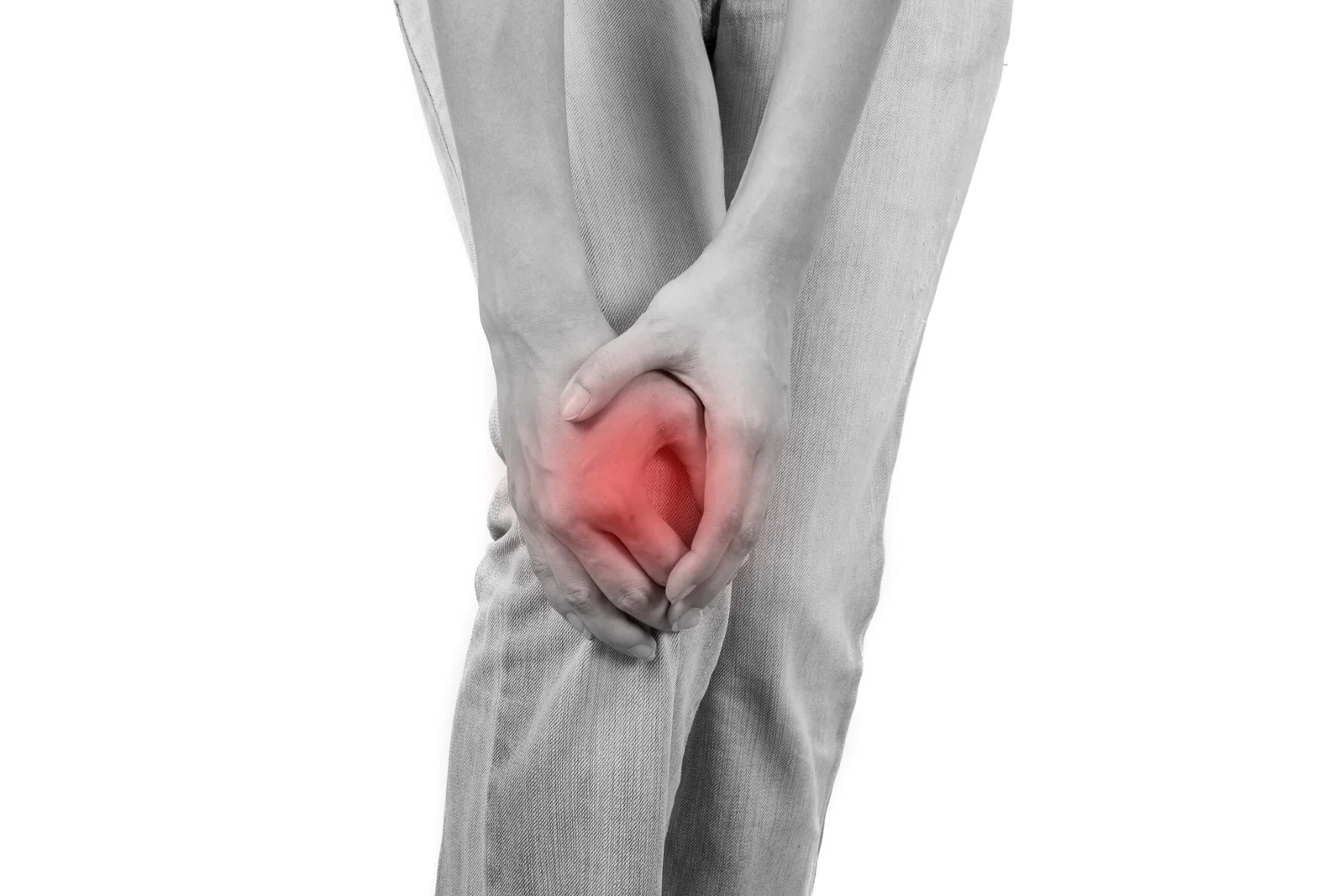
Chronic Knee Pain and the RICE formula
At some point in one’s life, knee pain will affect you or someone you love and being informed in ways to avoid injury is the best steps to prevent chronic knee pain. Knee injury doesn’t just occur from a slip or fall, the swelling or pain could be a result of a childhood knee trauma, an injury from playing sports in high school that occasionally flares up, a ruptured ligament or torn cartilage, or a medical condition including arthritis, gout, and infections.
The knee is the biggest joint in the body, which assists with sitting, standing, lifting, walking, running, and jumping. However, it also contains lots of mechanisms such as tendons, ligaments, cartilage, and bones that can tear, crack, dislocate, and swell.
A study conducted by the Osteo Arthritis Society International in 2013, found that 79% of the respondents reported chronic knee pain is one of the most significant factors in reduced productivity at work, and 14% reported having to take off 1 or more days of work in 12 months. Another noteworthy result from the study was that the respondents reported to take more days off from work due to being unpresentable for the work environment, where either they were limping or had to use an assisted devise. While knee pain is painful, it may go away with simple treatment. Let’s look at some of the strategies for preventing or alleviating chronic knee pain.

Breathe Deeply - A quick guide to being prepared during an emergency
On a recent vacation, our family had to quickly evacuate a summer vacation home due to a fast-growing wildfire and to be honest, I panicked. Not only were we just starting to get comfortable, but we also had dinner cooking on the BBQ, and all our suitcases unpacked. So, with that being said, I thought I would write a quick article on what to do during an emergency.
Every single year, thousands of people deal with emergencies in their home, and they deal with these emergencies alone or far from home. Whether it’s heart attacks or seizures, falling down or a fast -growing wildfire, you can find yourself in an emergency at any time. The only thing to do is to stay calm during an emergency as much as possible. Let’s take a look at some tips to help you to remain as calm as possible during an emergency.
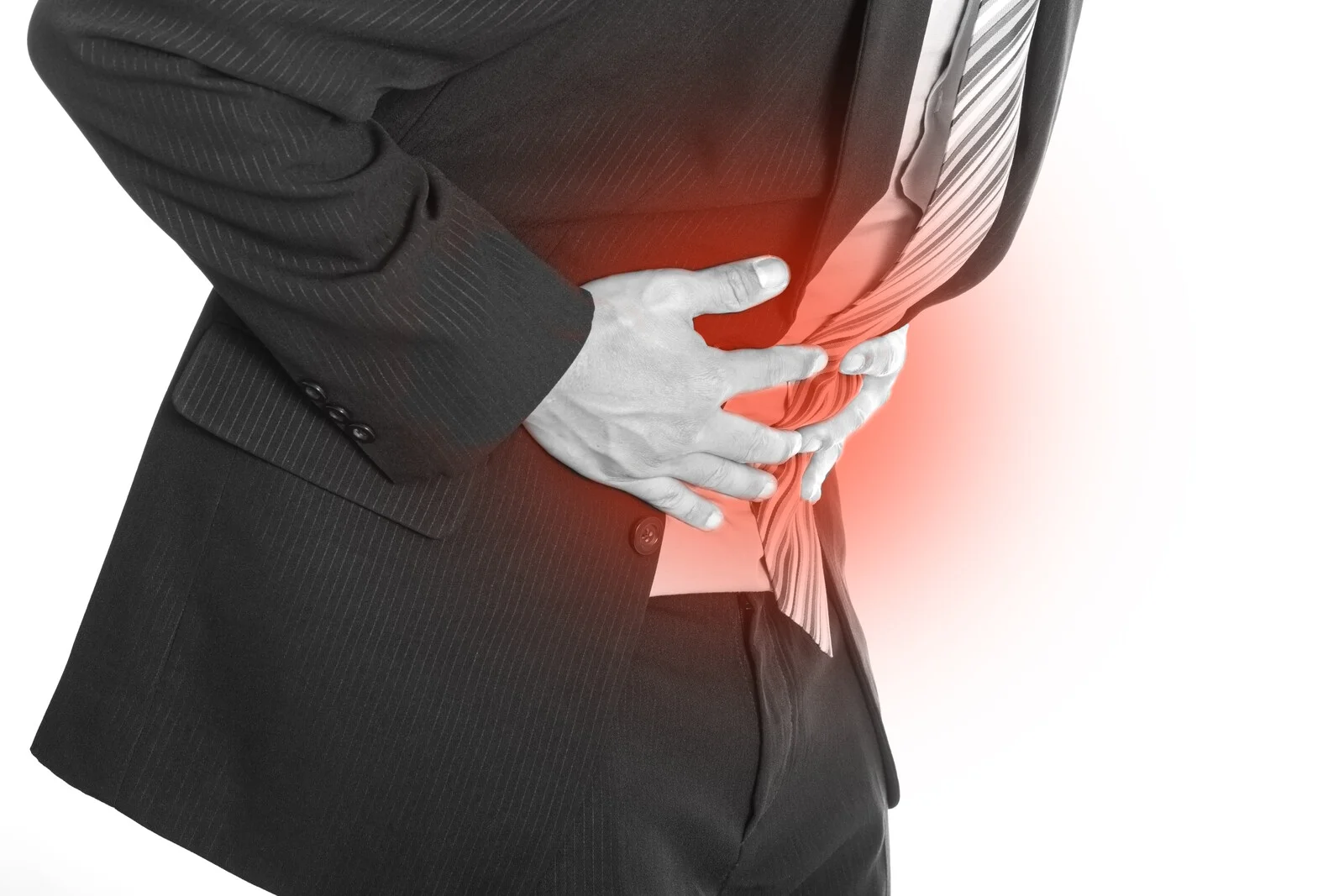
The Common Symptoms of Leaky Gut Syndrome
“Leaky gut syndrome” is the name given to a common health phenomenon that has yet to be declared an official illness or condition. Even though it isn’t considered to be a health condition in its own right, some health experts argue that sufferers of certain long-term conditions, including multiple sclerosis and chronic fatigue syndrome, are likely to experience its symptoms.
Do you want to learn more about leaky gut syndrome and what exactly its symptoms and possible cures are? If so, read on to find out more!
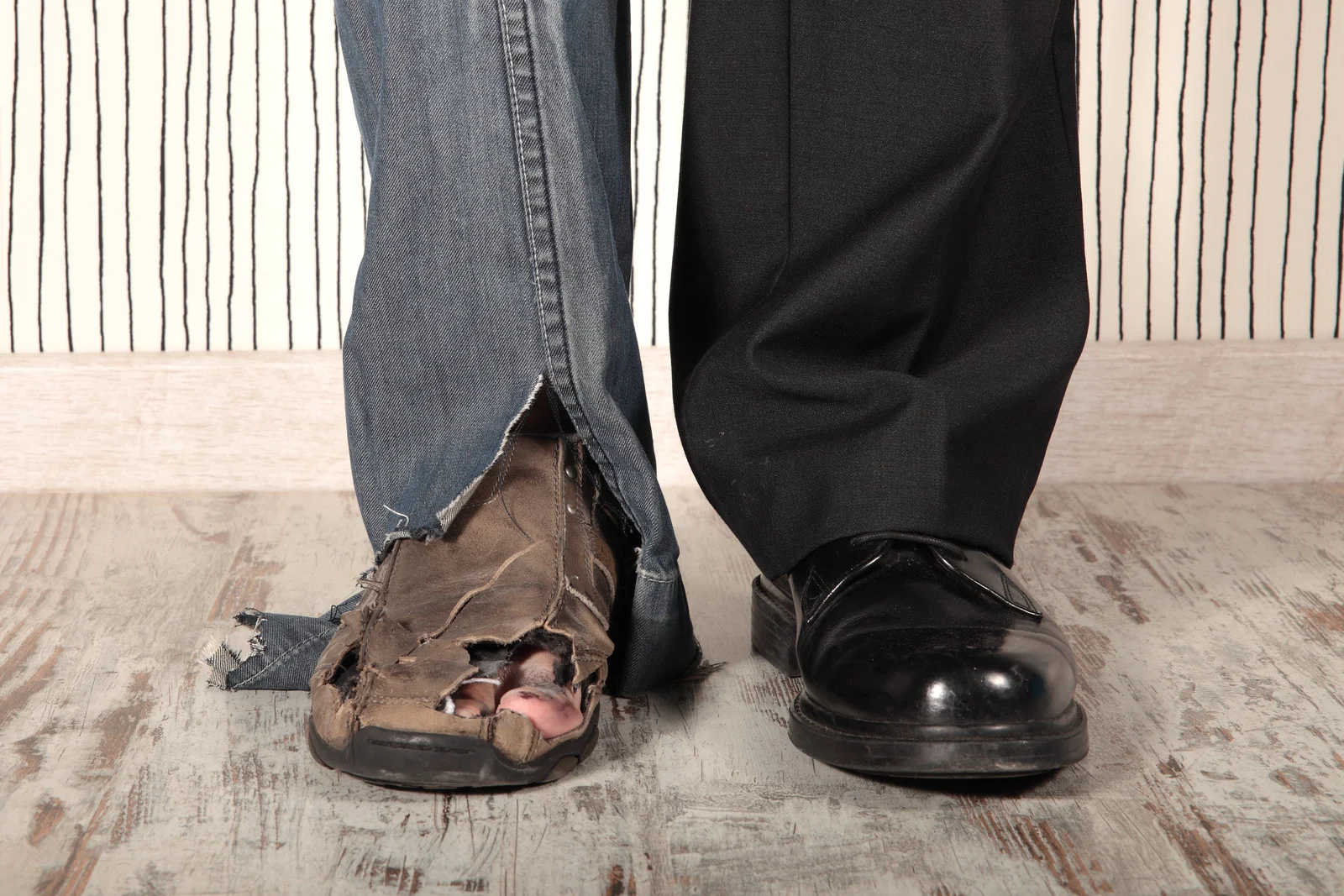
Income Inequality and its Impact on Adverse Childhood Experiences (ACE)
Income inequality continues to rise throughout the country. This issue is perhaps best summed up by the phrase; the rich get richer, and the poor get poorer.
Too many people at the lower end of the socio-economic ladder are deprived of good working wages. In comparison, the wealthiest people in the country continue to make more and more money. While the prominent executives are taking home huge bonuses, the people down at the bottom are struggling to get by on minimum wage.
Naturally, this creates a troubling situation in the U.S. Income inequality has significant implications on the lives of millions of people. In this post, we look to explore some of the critical areas that are most impacted by the growing income inequality.
An increase in ACEs
ACEs are adverse childhood experiences, which primarily refers to any stressful or damaging events that happen during childhood, thus can affect health and development across the life course (Halfon, Larson, Son, Lu, & Bethell, 2017). Unfortunately, this can include domestic violence, children being abandoned by parents, a parent being imprisoned, or growing up in an uncertain home environment that’s plagued by arguments or drug abuse problems.